Nursing Facility Abuse Lawyer: Advocating for Justice and Safety
Elder care abuse continues to be a serious problem, frequently concealed from public view. Survivors struggle greatly when attempting to seek legal recourse, making them feel defenseless and abandoned. A nursing home abuse lawyer plays a pivotal role in confronting these violations. They provide essential legal support, guaranteeing that survivors can copyright their rights. Recognizing the nuances of this matter is vital for families considering their options. What measures should families consider to defend their vulnerable relatives?
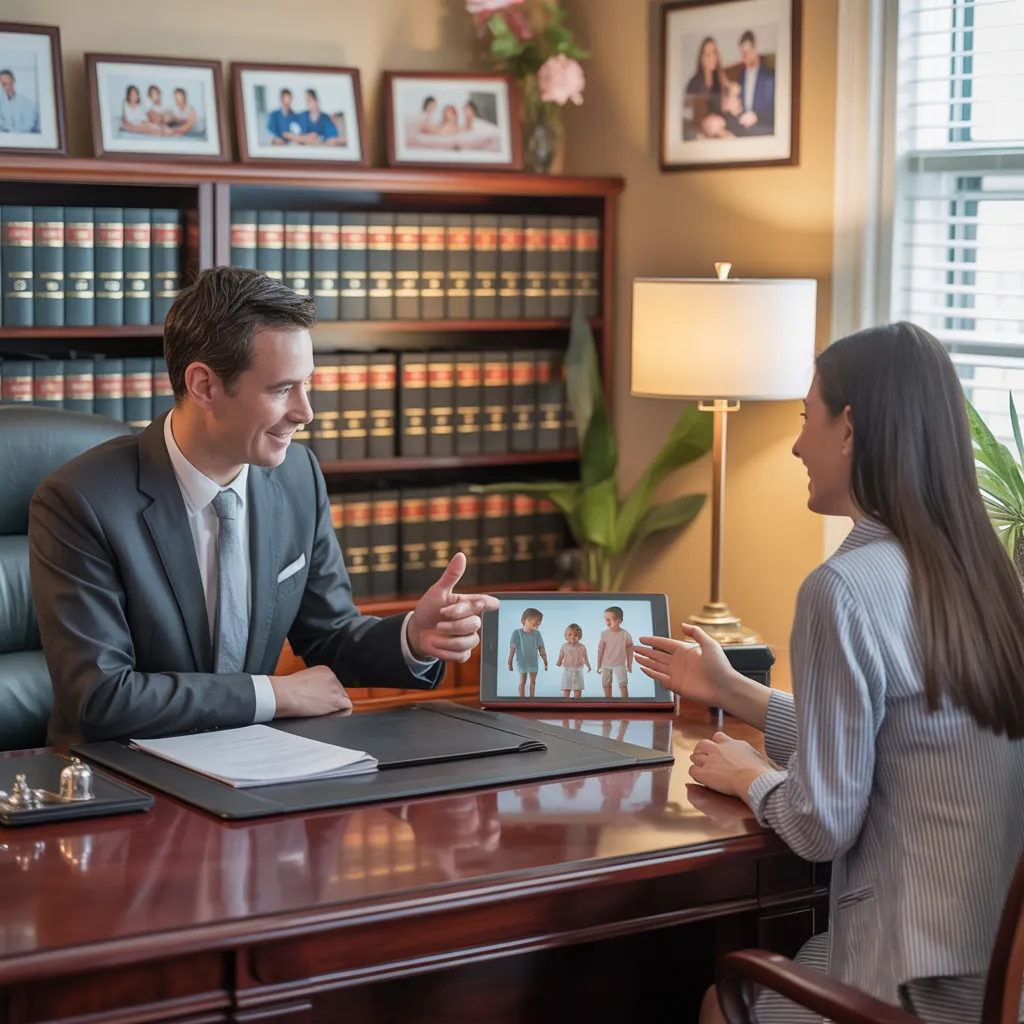
Spotting the Indicators of Nursing Home Abuse
How can families identify the subtle signs of nursing home abuse? Recognizing these signs is vital for ensuring the well-being of loved ones. Physical indicators may include unexplained bruises, cuts, or weight loss, which can signal neglect or mistreatment. Signs of emotional distress, including withdrawal, depression, or abrupt behavioral changes, may also be indicators of abuse. It is important for families to observe how their loved one interacts with staff, as fearful behavior or hesitancy to communicate can be revealing. Unexplained financial changes, including missing items or sudden withdrawals, could point to financial exploitation. Frequent visits and candid discussions with residents allow families to remain aware of their loved one's well-being. Keeping a record of any worries or observations can serve as critical evidence if the situation requires it. Above all, consistent vigilance and heightened awareness are essential for uncovering potential abuse and preserving a safe setting for vulnerable individuals receiving nursing care.
Ways a Nursing Home Abuse Attorney Can Help You
A nursing home abuse lawyer offers essential legal support for victims pursuing justice. They play a crucial role in investigating claims of abuse, collecting evidence, and constructing a compelling case. Furthermore, these attorneys endeavor to secure monetary compensation for survivors and their families, addressing the physical and financial burden of such abuse.
Legal Representation For Victims
Victims of nursing home abuse frequently encounter immense emotional and physical challenges, making it essential to seek legal representation for navigating their complicated circumstances. A nursing home abuse lawyer offers essential support by ensuring that victims understand their rights and options. Such legal experts are equipped to navigate the complex legal landscape, assisting in gathering evidence and constructing a compelling case. They advocate for fair compensation, covering medical expenses, emotional distress, and other damages. Furthermore, a skilled lawyer can engage in negotiations with nursing homes and insurance companies, alleviating the burden on victims and their families. By providing guidance and expertise, nursing home abuse lawyers play an important role in empowering victims to seek justice and reclaim their dignity.
Examining Abuse Allegations
Understanding the nuances of nursing home abuse cases is essential for victims looking for accountability. A nursing home abuse legal professional fulfills an essential purpose in evaluating these matters. They begin by gathering pertinent documentation, including medical records, accounts from bystanders, and establishment paperwork. This comprehensive examination often necessitates visiting the nursing home to evaluate the environment and speaking with employees and residents. Legal professionals also partner with specialists to detect evidence of abuse or negligence that may go unnoticed at first glance. By leveraging their knowledge of local and national laws, they can determine the strength of allegations and construct a compelling argument. At the core of their work, the legal professional's commitment to uncovering the truth ensures those responsible are held accountable and empowers victims to achieve the outcomes they deserve.
Securing Financial Compensation
Obtaining a financial settlement for nursing home abuse requires maneuvering through a intricate legal landscape. A nursing home abuse lawyer serves a critical role in directing affected individuals and their loved ones through this detailed process. These attorneys assess the viability of the case, collect critical evidence, and establish liability. By applying their legal experience, these legal advocates can deal with insurers and opposing parties to reach fair resolutions. If negotiations fail, they are ready to fight aggressively in court. Compensation may cover medical bills, mental anguish, and further damages arising from the abuse. Ultimately, a experienced nursing home abuse attorney guarantees that those harmed receive the financial resources essential for recovery and justice, keeping negligent parties responsible for their conduct.
Understanding the Legal Process for Filing a Claim
When traversing the legal proceedings for submitting a nursing home abuse claim, several key aspects must be understood. This includes recognizing the different types of abuse claims, the importance of thorough evidence collection, and a review of the applicable legal timeline. Each of these components plays a vital role in building a strong case for affected individuals and their families.
Kinds of Abuse Claims
There are numerous forms that nursing home abuse can take, each requiring specific legal considerations for those looking to seek justice. Frequently encountered abuse claims encompass physical, emotional, sexual, and financial abuse. Residents who suffer harm or injury are victims of physical abuse, while verbal harassment and psychological manipulation constitute emotional abuse. Sexual abuse is characterized by any form of non-consensual sexual contact, and financial abuse pertains to the unauthorized use of a resident's funds or assets. Another critical area, neglect, is defined by a failure to provide essential care, leading to deterioration in health and well-being. Each type of abuse necessitates a tailored legal approach, underscoring the need to understand the nuances involved in the claims process to successfully champion the rights and safety of vulnerable nursing home residents.
Evidence Acquisition Process
A complete understanding of the evidence gathering process is essential for individuals pursuing claims of nursing home abuse. Gathering compelling evidence forms the backbone of any lawsuit, requiring meticulous attention to detail. The process typically starts with collecting healthcare records, images documenting injuries, and witness statements from staff or other residents. Documenting occurrences with precise dates and times is necessary. Moreover, retaining any tangible evidence, such as clothing or belongings, can aid in establishing a pattern of abuse. Consulting a nursing home abuse attorney can supply insight into the forms of evidence necessary and guarantee proper procedures are followed. At the end of the day, a carefully documented case increases the probability of obtaining justice for those affected by nursing home abuse.
Legal Process Timeline
Comprehending the procedural timeframe for filing a claim in instances of nursing home abuse is vital for patients and their relatives. The course of action usually commences with an preliminary meeting with a nursing home abuse attorney, who will assess the strengths of the case. After this step, evidence must be gathered, which can span multiple weeks. When enough documentation has been assembled, a formal complaint is filed, beginning the legal process. The schedule differs based on state laws, but generally, a complaint must be lodged within a designated filing deadline, typically extending from one to three years. Once the claim has been filed, negotiations or settlement discussions may occur, and should no agreement be reached, the claim may move forward to litigation, which can additionally lengthen the process.
Important Evidence for Your Nursing Home Abuse Claim
Proof serves a vital purpose in substantiating allegations of nursing home abuse. To construct a compelling case, various forms of documentation and witness accounts are critical. Medical records can deliver detailed accounts of injuries or neglect, while photographs of injuries or hazardous conditions can visually support allegations. In addition, incident reports filed by nursing home staff act as official documentation of any incidents involving abuse or neglect.
Witness statements from family members, residents, or staff can also substantiate allegations. CCTV footage, if available, can be instrumental in documenting the neglect or abuse in question. Additionally, documented communications, such as emails or texts between relatives and care facility personnel, may expose previous concerns raised about care.
Gathering and arranging this evidence quickly increases the chances of a favorable legal result. A elder abuse legal professional can assist families and victims in collecting critical evidence to advocate for justice effectively.
What Compensation Can Nursing Home Abuse Victims Expect
Those who have suffered nursing home abuse can pursue compensation for the harm they have endured, which can fluctuate considerably based on the specifics of each case. Elements that affect compensation include the extent of physical injuries, emotional distress, and financial losses incurred due to medical bills or diminished quality of life. Moreover, punitive damages can be granted in cases of severe neglect or willful wrongdoing, with the purpose of preventing similar misconduct in the future.
In reviewing cases, courts may consider the severity of abuse, the period of endured hardship, and the impact on the victim's family. Legal representation is essential, as experienced nursing home abuse lawyers can guide victims through the intricacies of the legal process and work to secure appropriate compensation. At its core, the aim is to reach an agreement that fully accounts for all damages and fosters a culture of accountability at the caregiving institution.
Tips for Choosing a Nursing Home Abuse Attorney
How can one effectively select a nursing home abuse lawyer? Getting started requires identifying legal professionals who concentrate on elder law and nursing home abuse claims. The experience and proven success of a lawyer are of utmost importance; prospective clients ought to look for attorneys with a record of favorable results in comparable situations.
Furthermore, customer feedback and reviews can provide insight into an legal professional's effectiveness and professionalism. It is important to question the legal representative's strategy for handling cases, including their commitment to proceeding to trial when circumstances demand it.
The accessibility and communication approach are also key factors; clients should feel comfortable discussing sensitive issues.
Lastly, consider the legal professional's pricing structure—understanding whether they work on a contingency basis can significantly influence an individual's decision. By following these guidelines, individuals can find a elder abuse attorney who will strongly champion justice and safety.
Legal Strategies for Preventing Nursing Home Abuse
Selecting a skilled nursing home abuse attorney can set the stage for tackling and stopping further instances of abuse. Proven legal methods rely on thorough investigations into the residential home's conduct and the treatment given to residents. Attorneys routinely compile evidence, including medical records and witness testimonies, to prove the existence of abuse or neglect.
Additionally, they may encourage families to document any signs of mistreatment, creating a solid foundation for taking legal steps. Attorneys can also champion improved safety regulations and policies within residential care homes, highlighting the importance of clarity and answerability.
Pursuing alternative dispute resolution can often lead to quicker resolutions, serving the interests of both residents and care facilities. Ultimately, a proactive approach not only advocates for those who have suffered but also strives to establish a more secure atmosphere for all nursing home residents, emphasizing the critical role of legal representation in stopping future mistreatment.
Answers to Frequent Questions
What Should I Do if I Suspect Abuse?
When abuse is suspected, one should keep a record of observations, collect evidence, and notify the appropriate authorities of concerns. Seeking guidance from professionals or advocates can give clarity on the next steps to safeguard the victim's safety and well-being.
Is It Possible to File a Lawsuit Anonymously?
Indeed, people may file a lawsuit anonymously in certain cases, subject to local regulations and the details of the case. Seeking guidance from a legal expert is a wise course of action to understand the options available for protecting one's identity while navigating the legal process.
How Long Do I Have to File a Claim?
In the majority of jurisdictions, claimants typically have between one and three years to submit a claim, depending on the specific circumstances and local laws. It's essential to seek guidance from a legal professional for accurate information regarding filing deadlines.
Are There Repercussions for Reporting Suspected Abuse?
Yes, there are repercussions for failing to report suspected abuse, including monetary fines and the risk of criminal charges. Whistleblower protections exist to safeguard those who make reports, promoting vigilance and responsibility in safeguarding vulnerable individuals.
What if the Perpetrator Is an Employee?
When the abuser is an employee, the facility usually conducts an investigation into the allegations. Outcomes can range from disciplinary measures, termination, to legal consequences, based on full details the seriousness of the abuse and relevant laws. Filing a report is absolutely necessary.